How to Plan a Successful Whole House Renovation

Embarking on a whole house renovation is one of the most significant investments you will make as a homeowner. In the Bay Area, where real estate inventory is tight and moving is often more expensive than improving, transforming your existing property is a brilliant strategy. It allows you to keep your coveted location, your neighbors, and your school district, while upgrading your daily life to meet modern luxury standards.
However, stripping a home down to its studs and reimagining it is not a weekend project. It requires military-grade organization, foresight, and a deep understanding of local construction realities. Without a solid plan, a full-home remodel can quickly become overwhelmed by scope creep and delays. To ensure your vision becomes a reality without the headaches, you need a strategic roadmap. Here is how to plan a successful whole house renovation, step by step.
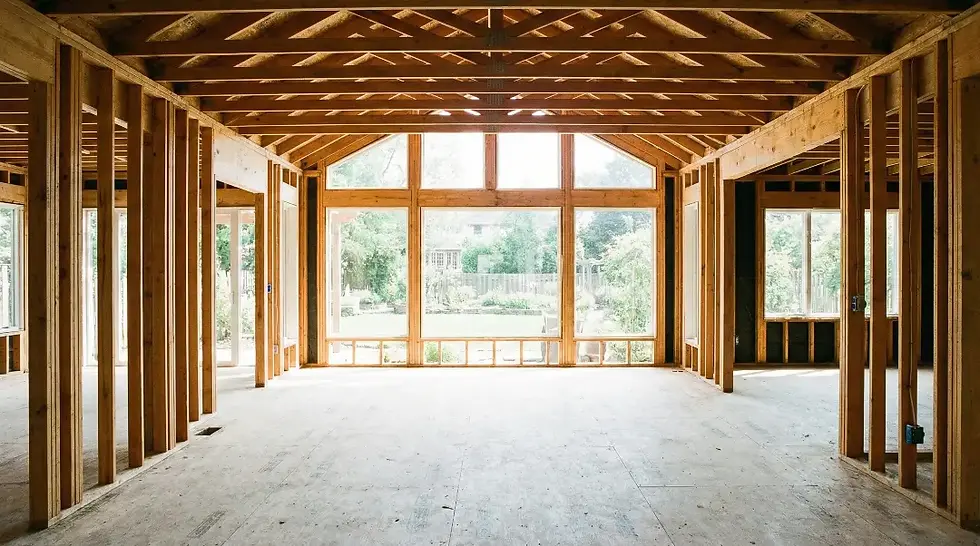
Step 1: Define Your Scope and "Why"

Before you look at a single tile sample or floor plan, you must clearly define the purpose of the renovation. Are you renovating to increase resale value for a future sale, or is this your "forever home" where you plan to retire? This distinction dictates every decision that follows.
If you are renovating for yourself, personal preference reigns supreme. You might convert a fourth bedroom into a massive walk-in closet or a home office because that fits your lifestyle. If you are renovating for value, you need to align your choices with broad market appeal.
Start by creating a prioritized list of "Must-Haves" versus "Nice-to-Haves." A "Must-Have" might be structural, such as removing a load-bearing wall to create an open concept living area, or upgrading the electrical panel to handle modern tech loads. A "Nice-to-Have" might be heated floors in the guest bathroom. Having this clarity early on will help you make difficult decisions later when budget constraints inevitably arise.
Step 2: Establishing a Realistic Bay Area Budget
Budgeting for a renovation in Santa Clara or the wider Bay Area is different than budgeting elsewhere in the country. Labor costs, material shipping, and stringent local building codes all influence the bottom line. A common mistake homeowners make is basing their expectations on national averages found online, which rarely reflect the reality of the California market.
A successful budget is comprehensive. It should include hard costs (materials and labor) and soft costs (design fees, permit fees, and city inspections). Crucially, you must allocate a contingency fund, typically 10% to 20% of the total budget. In a whole house renovation, you are peeling back layers of a home that may be 50 or 60 years old.
Unforeseen issues, such as outdated wiring behind drywall or dry rot in the subfloor, are not failures of planning; they are realities of construction. Your contingency fund ensures these surprises are mere bumps in the road rather than project-stoppers.
Step 3: Assembling the Right Team

The success of a massive project relies entirely on the team you build. For a whole house renovation, you generally have two paths: hiring an independent architect and then bidding out to contractors, or hiring a Design-Build firm.
For many homeowners, the Design-Build model, which we utilize at Done Right Builders & Remodeling, offers the smoothest path. This approach places the designers, engineers, and builders under one roof. It eliminates the friction and communication gaps that often occur between architects and contractors. When your designer knows the construction costs in real-time, they won't design a feature that blows your budget.
When interviewing contractors, look for experience specifically in whole house projects. A contractor who is excellent at bathroom remodels may not have the logistical capacity to manage a full-gut renovation. Ask about their communication cadence, their project management software, and their experience with local city planning departments.
Step 4: Navigating Permits and Design
Once your team is in place, the design phase begins. This is where your vague ideas are translated into architectural blueprints. This phase also involves navigating the bureaucracy of building permits.
In the Bay Area, this step is critical. California has strict energy codes (Title 24), seismic safety requirements, and local zoning laws that dictate everything from window efficiency to how much of your lot can be covered. A professional contractor handles this submission process for you. Attempting to bypass permits in a project of this magnitude is a recipe for disaster, potentially making your home unsellable in the future or halting work mid-construction.
During this phase, you will also select your "finish materials", flooring, cabinetry, fixtures, and lighting. We highly recommend making these decisions before demolition begins. Supply chain delays can stall a project for weeks. Having your materials selected and ordered early ensures that when the crew is ready to install the tile, the tile is actually on-site.
Step 5: Planning Your Living Logistics
One question that often catches homeowners off guard is: "Where will we live?"
Unlike a simple kitchen remodel, a whole house renovation usually renders the property uninhabitable for a period of time. Utilities may be shut off, walls will be open, and the environment will be dusty and noisy.
You need to plan your temporary housing well in advance. Some homeowners rent an apartment nearby, while others stay with family. If you plan to live in a section of the home during a phased renovation, be realistic about your tolerance for disruption. Living in a construction zone can be stressful, especially with children or pets. Discuss the timeline honestly with your contractor. A "Done Right" project manager will provide a schedule so you know exactly when the water will be off or when the heavy demolition will occur, allowing you to plan your life accordingly.
The Transformation Awaits
Planning a whole house renovation is heavy on logistics, but the reward is a home that is custom-tailored to your existence. It is the difference between living in a house and living in your house. By defining your scope, respecting the budget, hiring a cohesive team, and planning for the disruption, you turn a daunting process into an exciting journey.
At Done Right Builders & Remodeling, we specialize in guiding Bay Area homeowners through this complex process. We handle the heavy lifting of planning and construction so you can focus on the excitement of the final result. If you are ready to turn your current house into your dream home, contact us today for a consultation. Let’s start planning your success story.


Comments